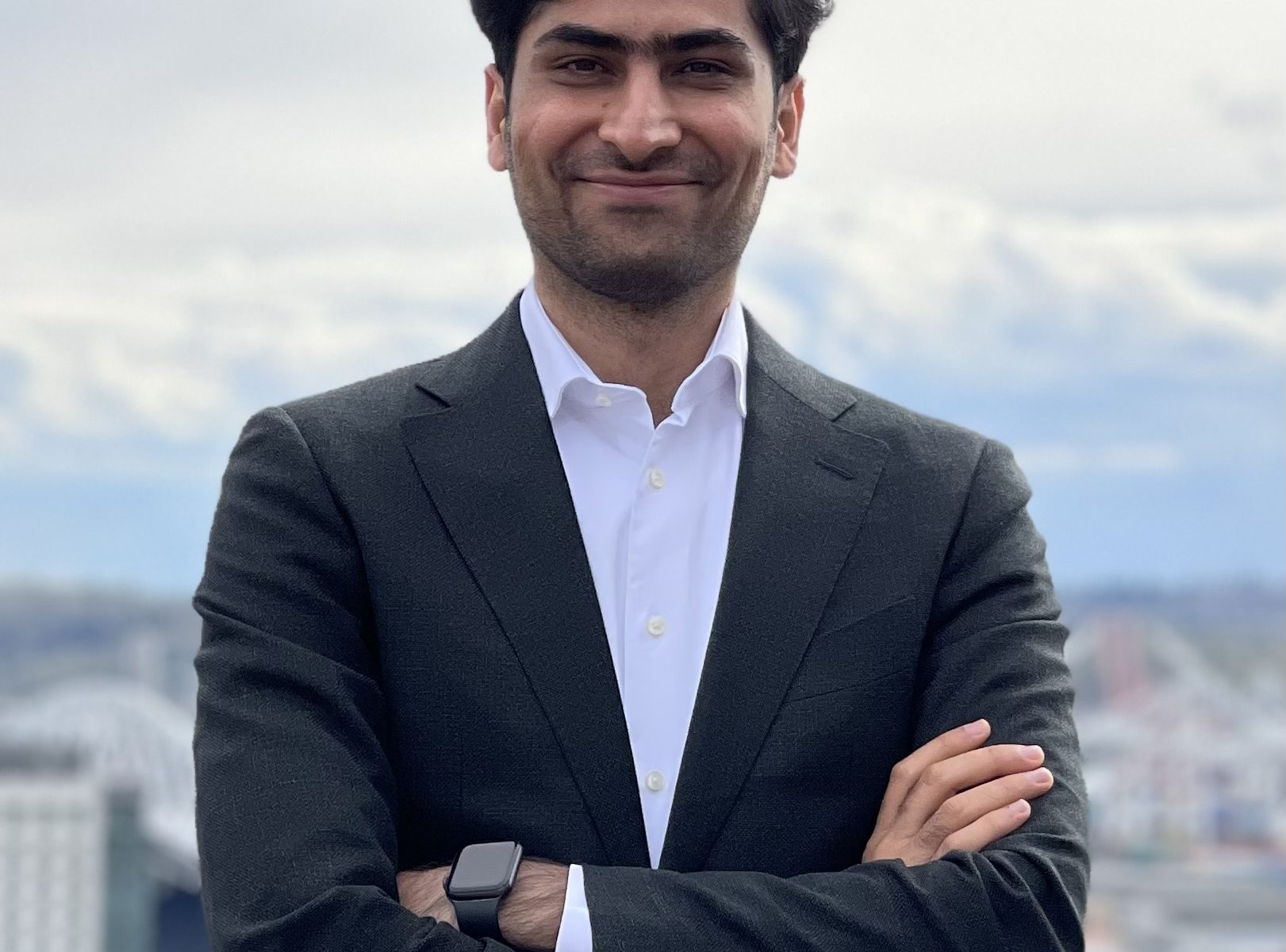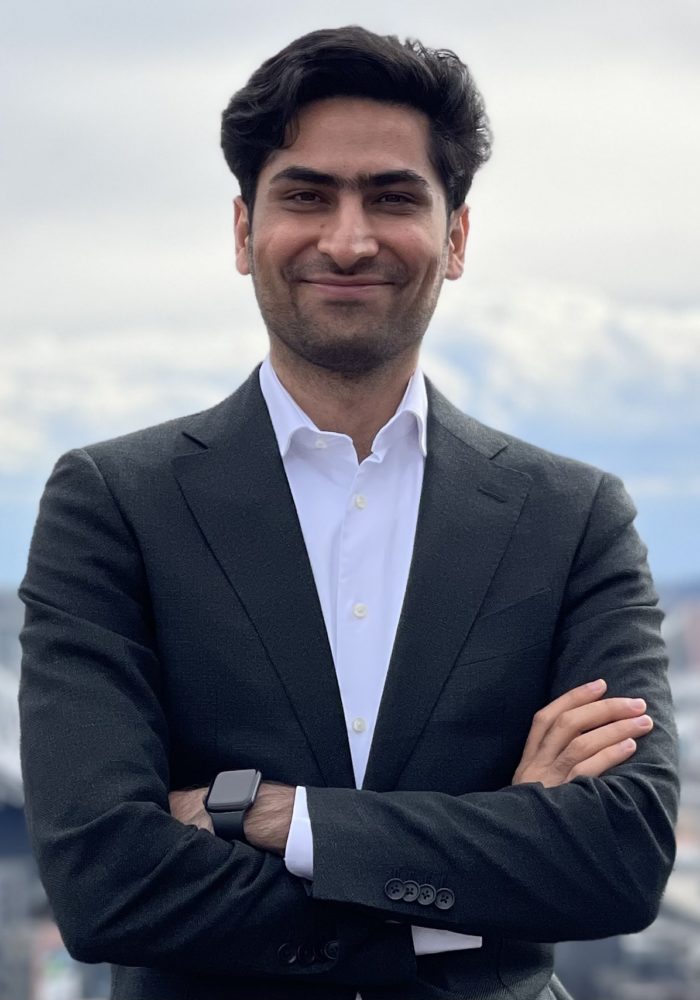

Bahman Khodadadi

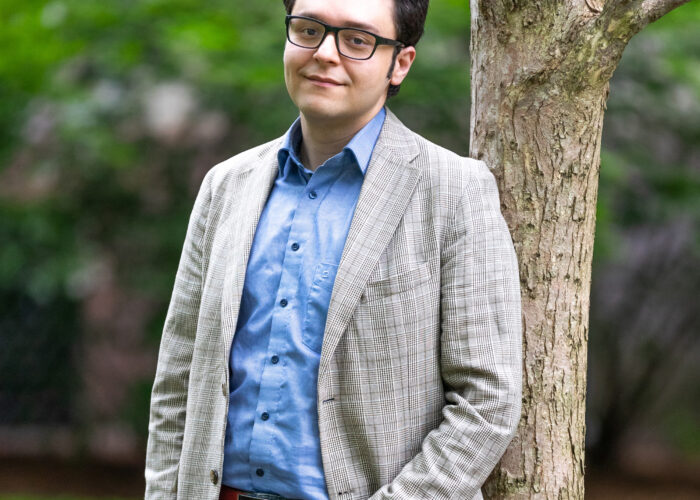
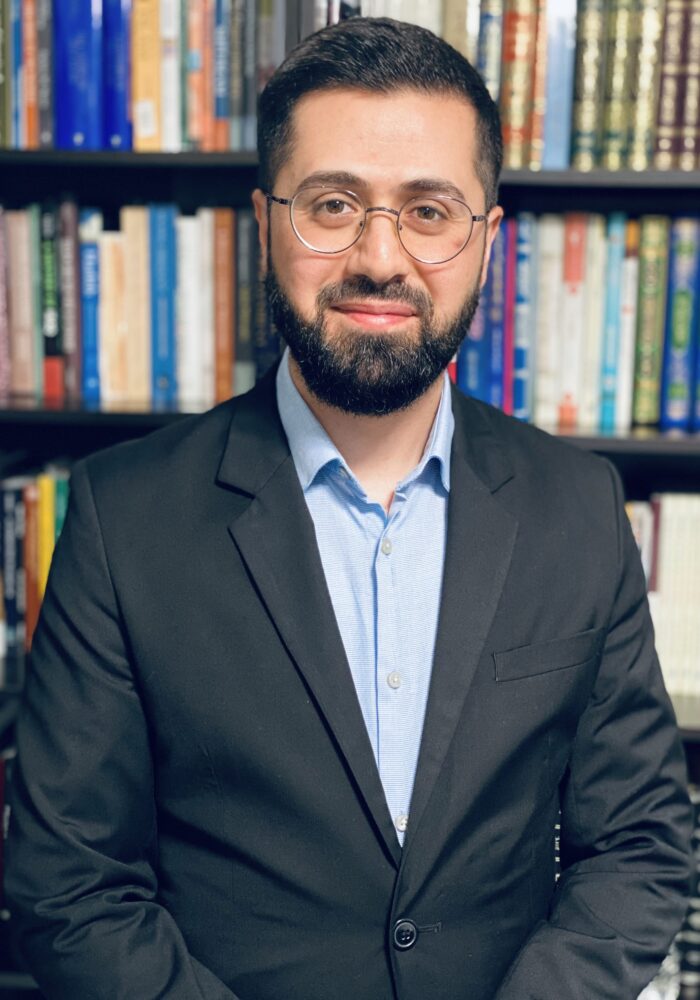
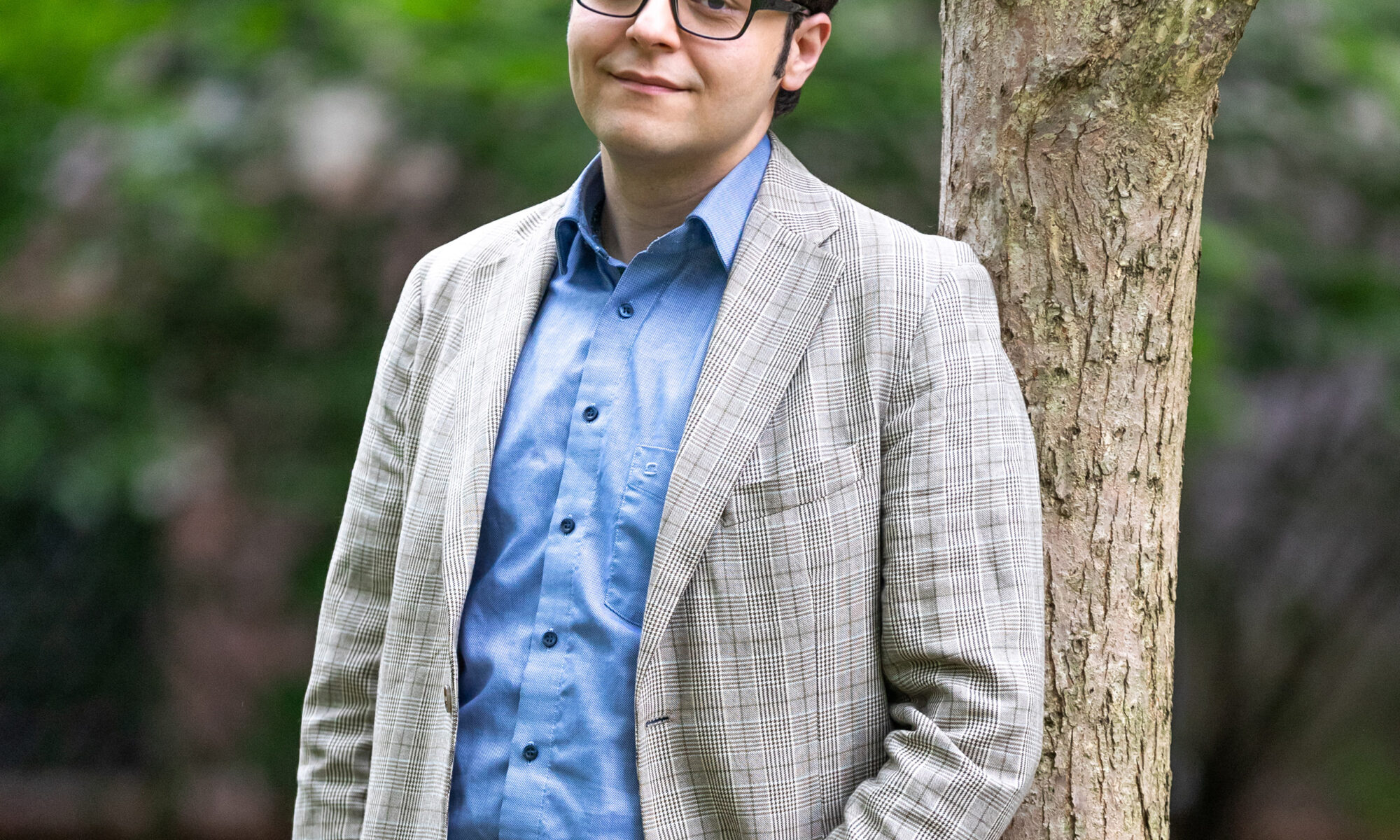
Dr. Bahman Khodadadi is the PIL-LC Research Fellow at the Program in Islamic Law at Harvard Law School and the Library of Congress for the 2024–2025 academic year. Prior to this, he served as a Research Associate at the Abdallah S. Kamel Center for the Study of Islamic Law and Civilization at Yale Law School.

Dr. Khodadadi’s expertise lies in Islamic law and Middle Eastern Studies, with a specialized focus on Shiite Islamic jurisprudence. His current research spans a wide array of topics, including Iranian studies, the sociology of law, the history of Islamic law, criminal law theory, and the politico-juridical dynamics within Islamic jurisprudence, particularly in the Shi’a tradition. He completed his PhD at the University of Münster, Germany, in 2021, with his dissertation receiving summa cum laude honors. His book, On Theocratic Criminal Law: The Rule of Religion and Punishment in Iran, was recently published by Oxford University Press, with endorsements from many internationally esteemed scholars.

Dr. Khodadadi has also recently published an article “Nowhere but Everywhere”: The Principle of Legality and the Complexities of Judicial Discretion in Iran, which appeared in the Iranian Studies Journal (Cambridge University Press). His forthcoming article will be published in the Yale Journal of Law & the Humanities (Vol. 35). He has served as editor and peer reviewer for several prestigious journals, including the Journal of Islamic Law (Harvard) and the British Journal of Middle Eastern Studies.

His academic achievements have been widely recognized, earning him the esteemed Harry Westermann Award for the best doctoral dissertation at the University of Münster, as well as two DAAD awards in 2016 and 2023. From 2015 to 2023, Dr. Khodadadi was an active member of the Excellence Cluster: Religion and Politics in Germany, where he contributed to various research projects. In addition to his scholarly work, he is an accomplished author and lecturer, with numerous publications, translated articles, and lecture engagements across Europe, including in Germany, Switzerland, Italy, and Ireland.

Email: [email protected]

Fatma Gül Karagöz

Fatma Gül Karagöz is an assistant professor of legal history based at Galatasaray University Faculty of Law. Since working on her MA thesis on the codes of the early modern Ottoman Empire and particularly on the New Code (Kanunname-i Cedid), a compilation of fatwas and codifications on land ownership, Fatma has been interested in land law in the Ottoman Empire. Her works are mostly focused on the property relations on agricultural land and the land usufruct in legal theory and practice. Her current research is based on the application of property law (land law) in the second half of 18th-century Antioch by focusing specifically on the exercise of property rights by women. She received her Ph.D. in Public Law from İstanbul University (2018), MA in Ottoman History from İhsan Doğramacı Bilkent University (2010), and BA in Law from Galatarasay University Faculty of Law (2005). 

Mohammed Allehbi 

Mohammed Allehbi is the PIL-LC Research Fellow at the Program in Islamic Law at Harvard Law School and the Library of Congress for the 2023–2024 academic year. He specializes in law and governance in the Islamic Near East and the Mediterranean during late antiquity and the Middle Ages. After earning his master’s degree in Middle Eastern studies from the University of Chicago in 2014, he received his doctorate in history from Vanderbilt University in 2021, where he was a senior lecturer in the Department of Classical and Mediterranean Studies. His first article, “It is Permitted for the Amīr but not the Qāḍī’: The Military-Administrative Genealogy of Coercion in Abbasid Criminal Justice,” was published in Islamic Law and Society in the fall of 2022. It explores the emergence and rationalization of coercive interrogations in late antique and early medieval Islamic criminal justice. Currently, he is working on his first monograph about the formation of Islamic criminal justice and policing in the Near East and the Mediterranean between the eighth and twelfth centuries.  

Sithy Ermiza Tegal

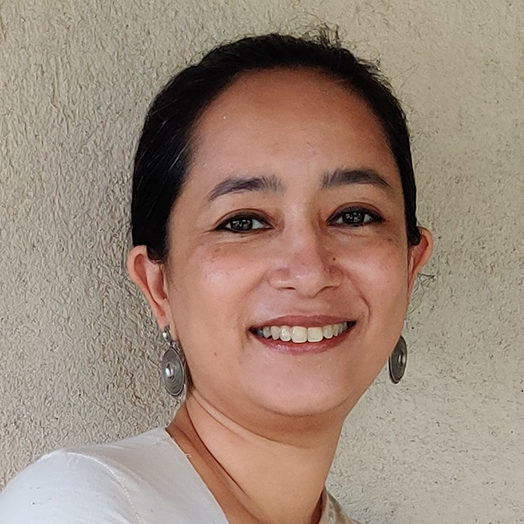
Ermiza Tegal is a lawyer and activist from Sri Lanka. She has a Master of Laws from the School of Oriental and African Studies (SOAS) of the University of London with a specialization in Law, Governance and Development. Her work encompasses addressing gender-based violence, ensuring civil liberty protections in counter terror responses, ensuring minority rights, defending rights and protection for victims of torture, promoting people-centred land policies and the securing freedom of assembly and expression of non-governmental civil society organizations. Ermiza leads a legal chamber specializing in public law and family law. Her practice litigates on issues of constitutional law and administrative law mainly representating victims of discrimination, torture, arbitrary arrest and detention and domestic violence.

Ermiza is a co-founder of Muslim Personal Law Reform Action Group (MPLRAG) which works for Muslim family law reforms. Ermiza currently serves as a legal expert on governmental advisory committees on Muslim law reform and Family law reform in Sri Lanka. Her publications include “Inside the Quazi Courts of Sri Lanka”, Failing Women Everyday: Legal Protection for Domestic Violence Victims in Sri Lanka”, “Towards Understanding Female Genital Cutting in Sri Lanka, “Exposed and Alone: Torture Survivors in Sri Lanka bear the burden of their own protection” and “Prevention of Terrorism Act, Rule of Law and Human Security”.

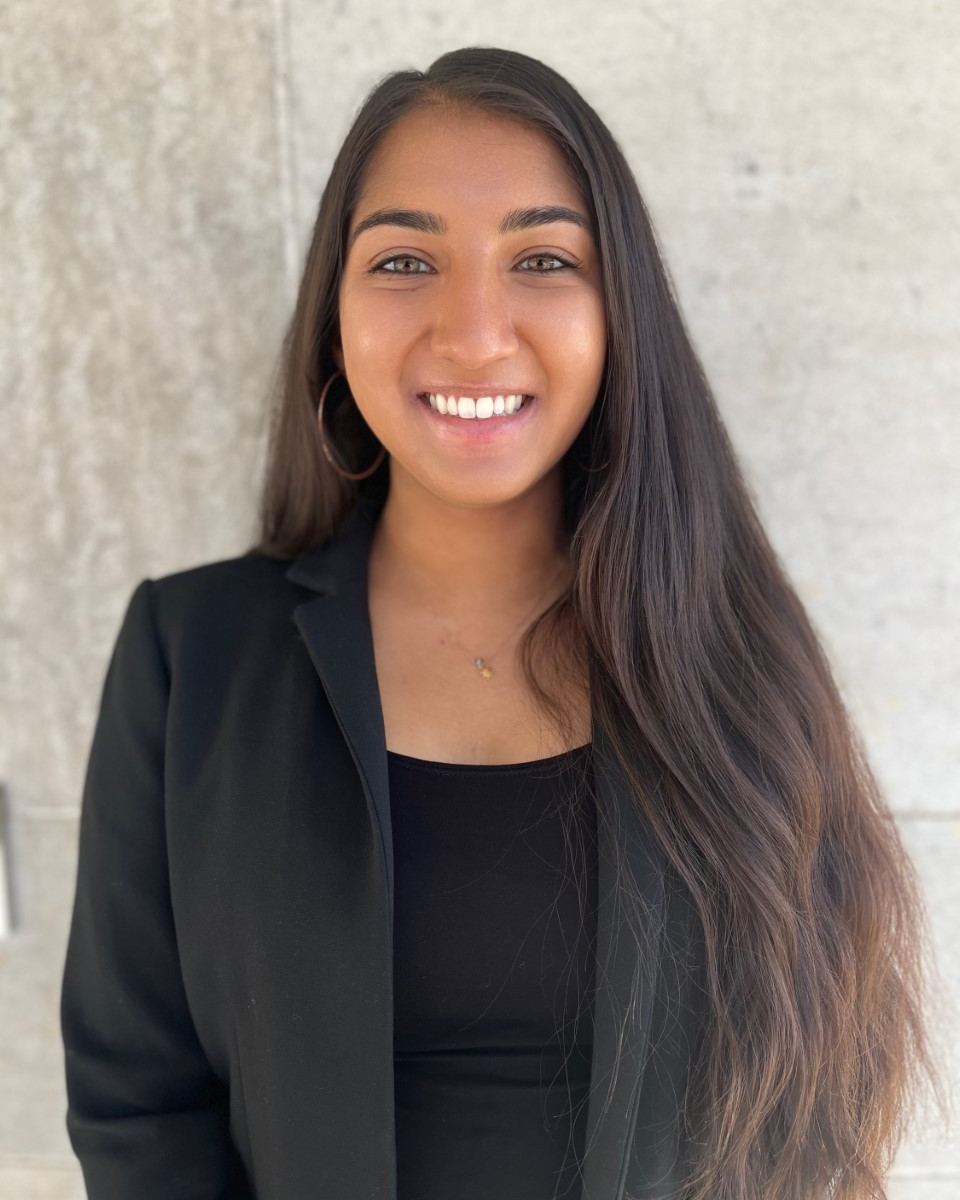
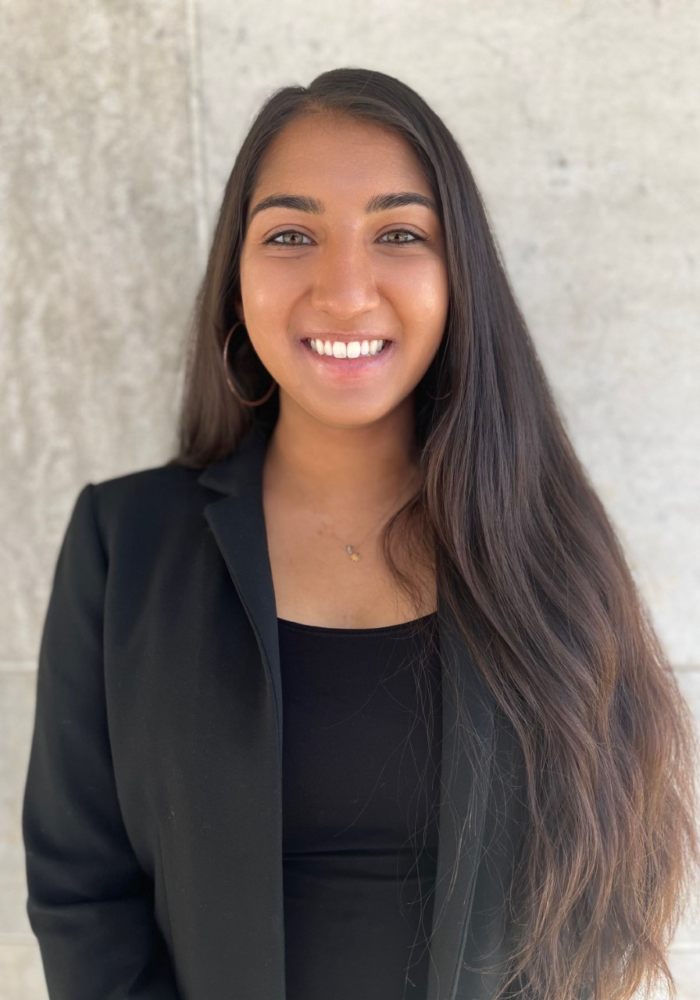
Aliya Zuberi

Aliya Zuberi is a 2L at Harvard Law School. She holds a BA in History from Barnard College.

Haroun Rahimi

Haroun  Rahimi is an Assistant Professor of Law at the American University of Afghanistan and a Visiting Professor of Law at Bocconi University School of Law and is a Global Academy Scholar at MESA.. His research focuses on economic laws, institutional reform, Islamic finance, and divergent conceptions of rule of law in Muslim and modern thoughts, and religious authority, and his research has appeared in reputable local and international journals. Rahimi has also collaborated as an independent consultant with a number of research firms and policy think tanks conducting policy research on institutional development and good governance in the South Asia context. At the Oxford Centre for Islamic Studies, he has worked on Islamic finance as a poverty alleviation strategy, the legal history of Afghanistan, and the ways that legal transplantation is legitimized in Muslim countries.

Rahimi was a visiting scholar at the International Institute for the Unification of Private Law (UNIDROIT) in Rome. He obtained his B.A. in Law from Herat University, his LLM in Global Business Law, and his Ph.D. from the University of Washington.

Simon Loynes

Simon is a Research Editor at the Program in Islamic Law. He has previously worked as part of the Knowledge, Information Technology, and the Arabic Book project at the Aga Khan University, London. He is a specialist in the Qur’an and is particularly interested in its literary aspects, its relationship to early Arabic poetry, and its place in Late Antiquity. His research also applies Digital Humanities methodologies to the study of the Qur’an, and he interested, more broadly, in the digitisation of Arabic texts and the challenges presented by building large-scale digital corpora.

His first monograph, “Revelation in the Qur’an,” investigates the Qur’anic concept of revelation through the roots n-z-l and w-ḥ-y, was published in early 2021 in Brill’s Texts and Studies on the Qurʾān series (Brill, 2021).

He holds a PhD in Islamic and Middle Eastern Studies from the University of Edinburgh (2019) and a MA in Islamic Societies and Cultures from the School of Oriental and African Studies, University of London (2014). 

Raha Rafii

Raha Rafii is currently an Honorary Fellow at the Institute of Arab and Islamic Studies at the University of Exeter, where she was previously a Post-Doctoral Research Fellow on the Law and Learning in Imami Shi‘i Islam ERC project. She received her PhD in 2019 from the Department of Near Eastern Languages and Civilizations at the University of Pennsylvania and specializes in medieval Islamic history, jurisprudence, and Arabic and Persian historiography.  As an American Society of Legal History Wallace Johnson First Book Fellow, she is working on turning her dissertation into a book titled Imagining the Islamic Judge: The Adab al-qadi Genre. Focusing on the standard legal genre of adab al-qāḍī, or judicial protocol, the book project focuses on the impacts and intersections of non-legal literatures on adab al-qāḍī works. In addition to her research specialization, she also publishes on digital humanities, museums, and orientalism in both academic and public-facing outlets.

She received her B.S. in International Politics from Georgetown University and masters’ degrees in both Oriental Studies and Jewish Studies from the University of Oxford. She has also held a Fulbright scholarship in Egypt as well as a Legal Theory Fellowship at Cardozo Law School.

Hadi Qazwini

Hadi Qazwini is an educator and researcher. His scholarly interests are in Islamic intellectual history, with a focus on theology, law, and Imāmī Shīʿīsm. He completed his Ph.D. in Religious and Islamic Studies at the University of Southern California. His dissertation, titled “The Islamic Debate on Juristic In/Fallibility (al-takhṭiʾa wa al-taṣwīb) and the Construction of Competing Orthodoxies,” explores the intellectual and practical underpinnings of the debate in Islamic legal theory over whether all legal experts are correct (kullu mujtahid muṣīb). In addition to pursuing the academic study of Islam, Hadi obtained advanced training in the Shīʿī seminary (al-ḥawza al-ʿilmiyya) in Qum, Iran, specializing in the traditional study of Islamic thought and practice. He recently published a peer-reviewed article in Islamic Studies entitled “Heir of the Prophets: Veneration of Ḥusayn b. ʿAlī and the Socio-Religious Positioning of Twelver Shiism.” He is in the early stages of writing a book, tentatively titled Islam and the Problem of Truth: An Intellectual History. In addition to his scholarly work, Hadi serves in several non-profit organizations in the areas of higher education and international development and relief.

Fatima Essop

Fatima Essop is a Fellow at the Program on Law & Society in the Muslim World at Harvard Law School and an Advocate of the High Court of South Africa. She has practiced in the areas of public interest litigation, administrative law, environmental law, torts, and family law, and is an accredited family law mediator with experience in the area of Muslim family law. 

Her current research focuses on the practice of Muslim family law, by the Muslim minority community in South Africa. She has undertaken socio-legal, empirical research in the areas of Islamic divorce and inheritance in order to identify the disparities between the theory of law and the lived reality of the law, as experienced by the Muslim community in South Africa. 

Essop has a PhD from the University of Cape Town (UCT) where her thesis focused on the intersection between the Islamic laws of inheritance and the South African laws of inheritance, and has lectured on the Interpretation of Statutes in UCT’s Law Faculty. She also has a BA degree in Arabic and Islamic law from the International Peace College of South Africa and a Certificate in Islamic Finance from the ETHICA Institute of Islamic Finance based in the United Arab Emirates.